
From Schönbrunn to Versailles
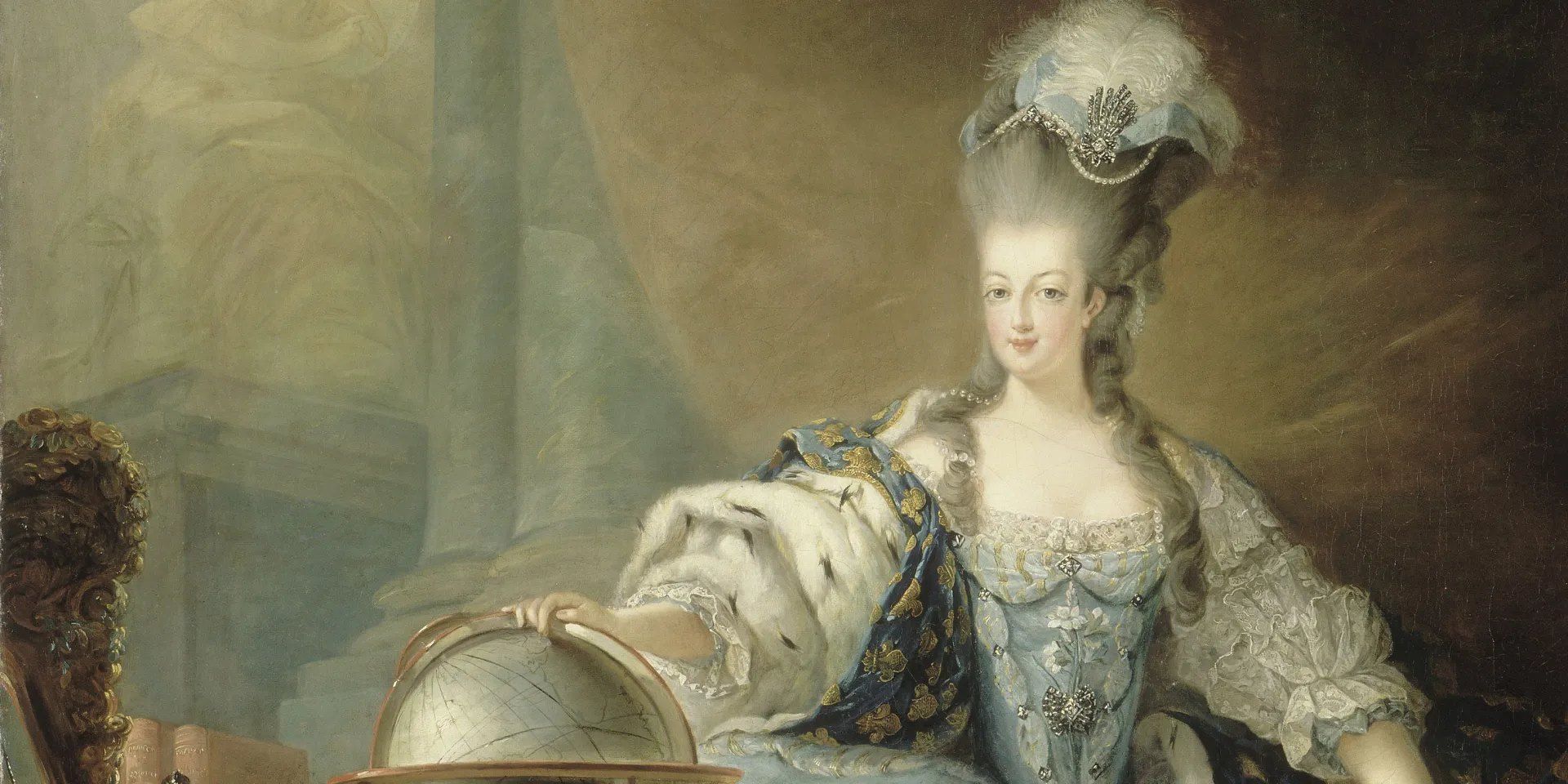
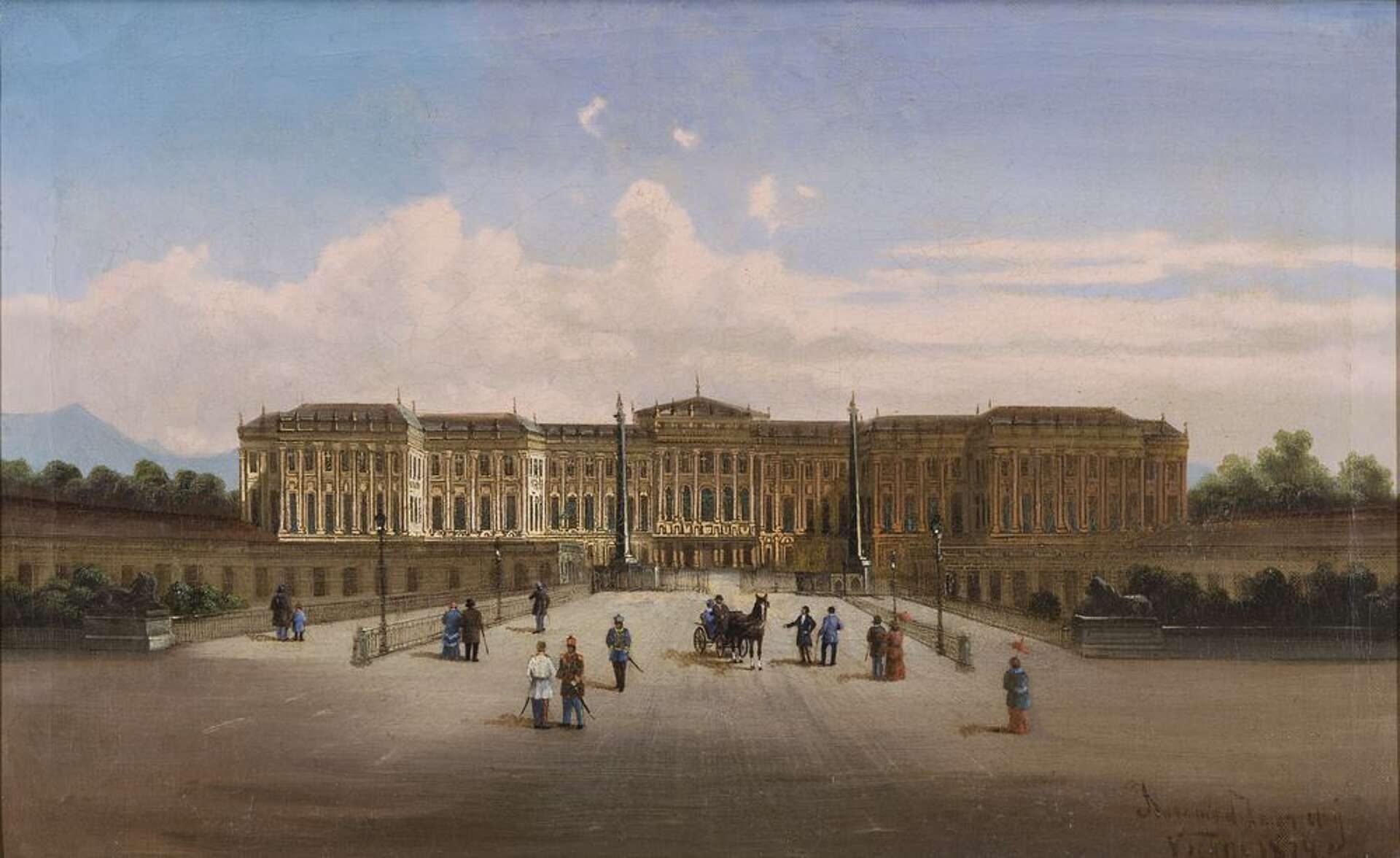
She was born Maria Antonia Josepha Johanna von Habsburg‑Lothringen in Vienna on 2 November 1755, the fifteenth child of Empress Maria Theresa and Emperor Francis I. Her childhood at Schönbrunn was musical and informal; her education, by the standards of the age, light.
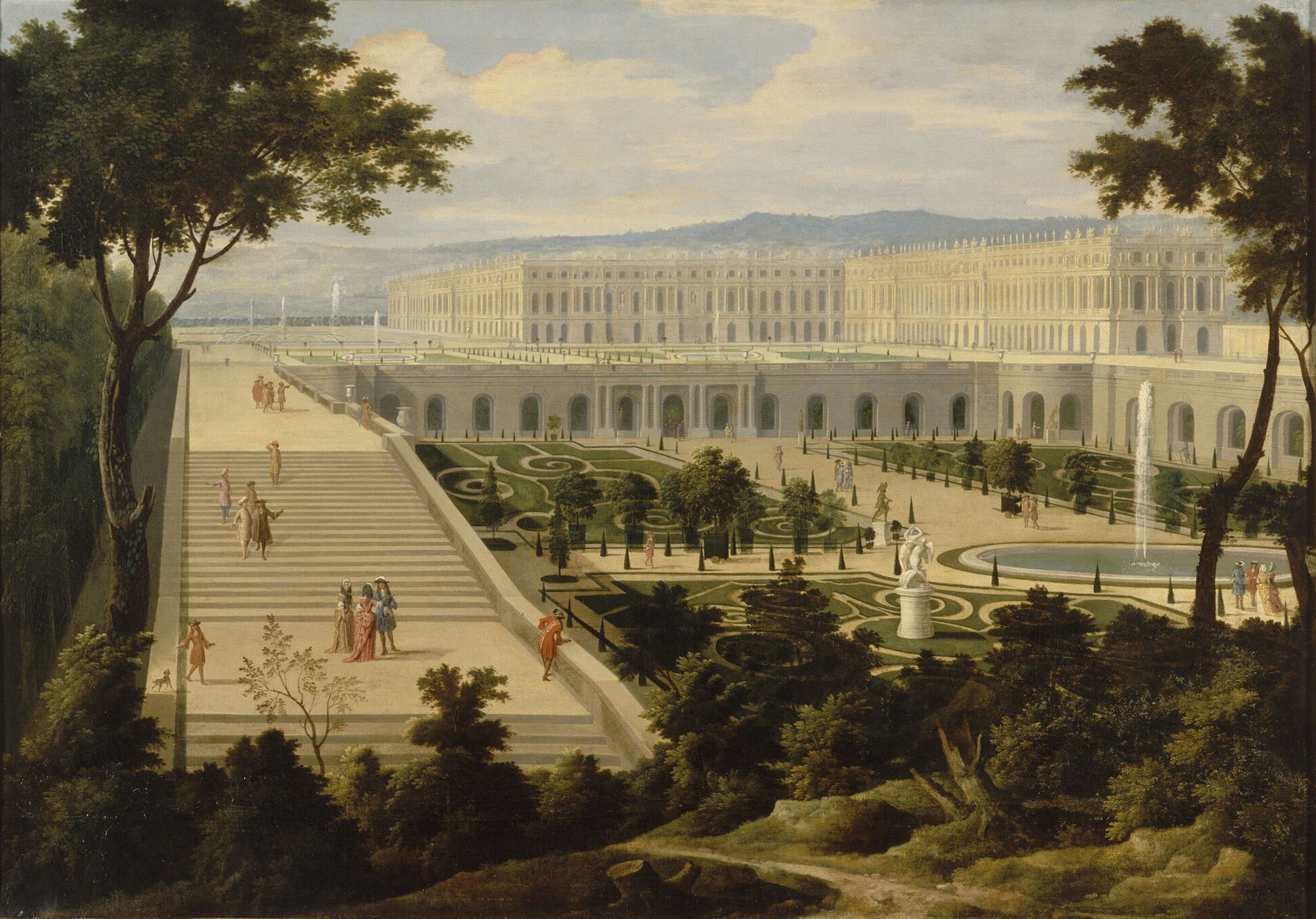
It was her mother who decided her future. To seal the alliance between Austria and France, the fourteen-year-old archduchess was married to Louis‑Auguste, heir to the French throne. She was handed over at the border in May 1770, left everything Austrian behind — her clothes, her servants, even her dog — and arrived at Versailles as the Dauphine of France. France did not receive her warmly: Austria had been the enemy for generations, and a girl from Vienna was a treaty made flesh.
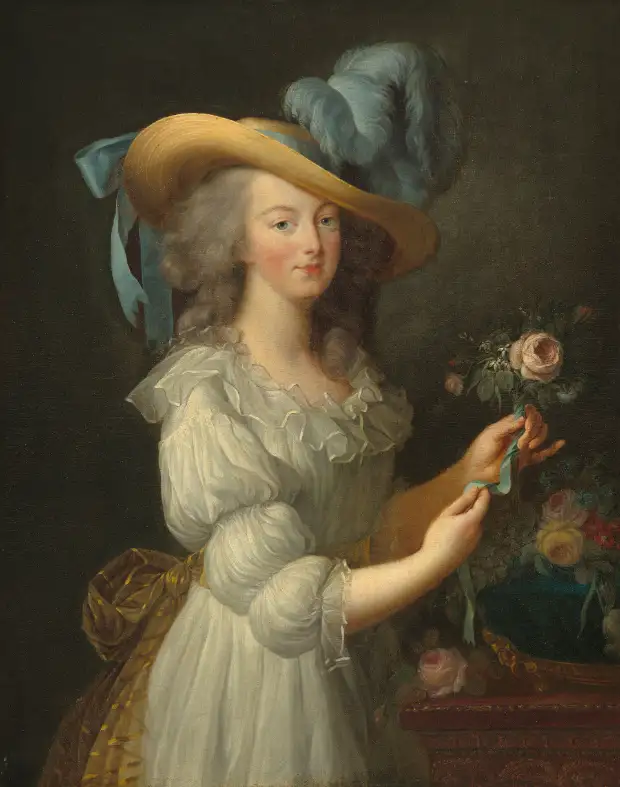
On 10 May 1774 her husband became Louis XVI and she became Queen of France and Navarre, aged eighteen. A court of several thousand people watched her dress, eat and walk. She answered with style: she chose what she wore, where she spent her days and who amused her, and the whole of Europe copied her. Louis XVI also gave her a freedom no queen of France had been given before — over the music, the theatre and the painters of the court. Élisabeth Vigée Le Brun owed her career to it.
Versailles itself she found hard to bear. Its etiquette governed every hour of the day, so she withdrew — to her private rooms behind the state apartments, and to the Petit Trianon, where she could choose her own company. Four children were born between 1778 and 1786, and she raised them far more closely than a queen was expected to. She lost two: Sophie before her first birthday, and the Dauphin Louis‑Joseph at seven, five weeks before the Revolution began. Both parents were broken by it.
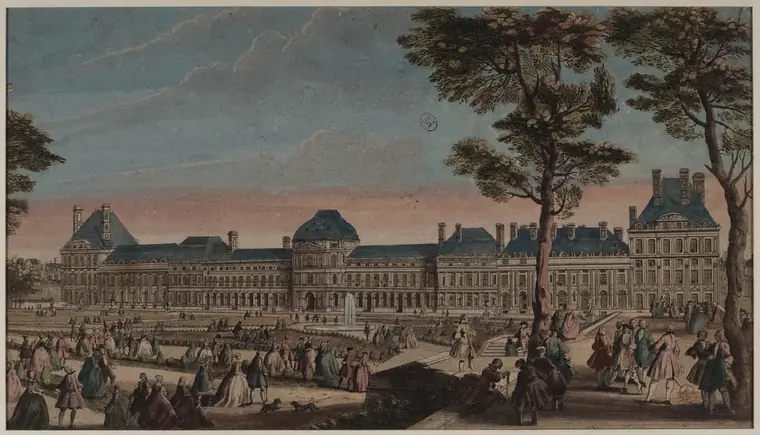
The Revolution ended that world. The royal family was brought from Versailles to Paris in October 1789 and imprisoned in 1792. Louis XVI was guillotined on 21 January 1793, on what was then the Place de la Révolution; the queen followed on 16 October, on the same square, now the Place de la Concorde. She was thirty-seven, and she went to it with a composure that even her accusers recorded.